Rockhampton's growth as a central Queensland hub has left a legacy of contaminated sites from past industrial activity, particularly around the Fitzroy River floodplain and the former railway yards. Heavy metals, hydrocarbons, and pesticide residues persist in the soil, requiring careful assessment before any redevelopment. The region's subtropical climate with annual rainfall above 800 mm accelerates contaminant migration through porous alluvial soils. Before designing a cleanup strategy, engineers typically begin with a detailed site investigation using resistivity surveying to map subsurface contamination boundaries, and soil sampling for laboratory analysis to quantify pollutant concentrations against NEPM guidelines. This baseline data is essential for selecting the most cost-effective and compliant treatment approach for each unique property.
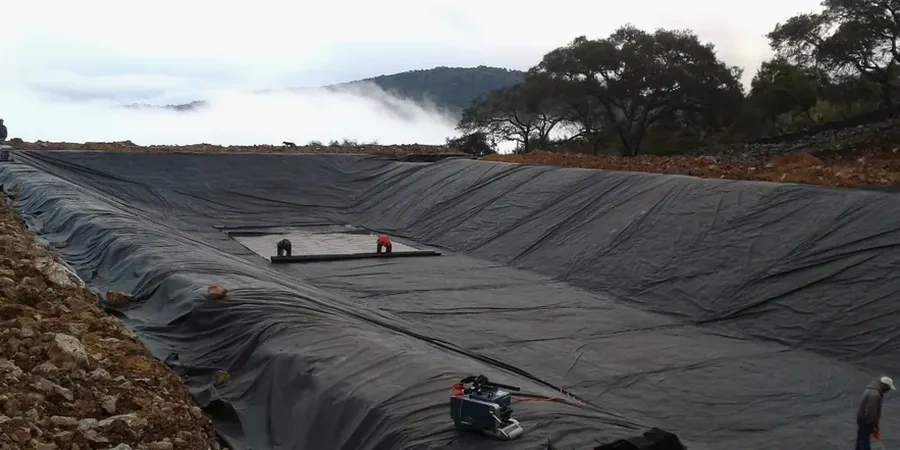
A proper conceptual site model prevents cost overruns and ensures excavated volumes match the actual contamination footprint.
Scope of work
Area-specific notes
A typical remediation crew in Rockhampton mobilises with a track-mounted excavator fitted with a gas monitor and a vacuum truck for soil vapour extraction. The challenge lies in the variable groundwater table, which can rise within a metre of the surface after heavy rain. Contaminants trapped in the capillary fringe become harder to remove without proper hydraulic control. Without a solid conceptual site model, the excavation may extend deeper than budgeted or fail to capture low-permeability lenses where pollutants accumulate. The team therefore installs temporary wells and conducts in-situ permeability tests to confirm the extraction radius before committing to full-scale treatment.
Standards used
NEPM 2013 (National Environment Protection Measure) – Assessment of Site Contamination, AS 4482.1-2005 – Guide to the investigation and sampling of potentially contaminated soil, Environmental Protection Act 1994 (Qld) – Duty to notify and remediate contaminated land
Linked services
Site Investigation & Risk Assessment
Phase I and Phase II environmental site assessments including preliminary desktop studies, soil and groundwater sampling, laboratory analysis, and conceptual site model development. We prepare reports compliant with NEPM 2013 and the Queensland Contaminated Land Register requirements.
On-Site Treatment & Validation
In-situ chemical oxidation, biopiling, and soil vapour extraction for hydrocarbons and volatile compounds. Post-treatment validation sampling ensures residual concentrations meet the site-specific remediation criteria before development proceeds. We coordinate with the local council and DES for regulatory sign-off.
This service complements our laboratory testing work for a complete project analysis.
Typical parameters
FAQ
What types of contamination are most common in Rockhampton soil?
The most frequently encountered contaminants are total petroleum hydrocarbons (TPH) from former service stations and industrial depots, heavy metals such as lead and arsenic from historical smelting and battery recycling sites, and pesticide residues from agricultural land now being rezoned for residential use. Each requires a distinct remediation strategy under NEPM 2013.
How long does a typical remediation project take in Rockhampton?
A small residential site with shallow hydrocarbon contamination can be treated in 4 to 6 weeks including excavation, treatment, and validation. Larger industrial sites with deep groundwater plumes may take 6 to 12 months, particularly if in-situ chemical oxidation or long-term monitoring is required. The timeline depends heavily on contaminant type, soil permeability, and the chosen remediation method.
What is the cost range for contaminated soil remediation in Rockhampton?
The cost typically falls between AU$4,840 and AU$19,490 depending on the volume of contaminated soil, contaminant type, treatment method, and regulatory oversight required. A simple excavation-and-disposal project for a small lot will be at the lower end, while a multi-phase in-situ treatment with groundwater monitoring sits at the higher end. A detailed quote follows the site investigation.
Do I need to report contamination to the Queensland Government?
Under the Environmental Protection Act 1994, any person who becomes aware of notifiable contamination (as defined in Schedule 3A) must report it to the Department of Environment and Science (DES) within 24 hours. Even if the contamination is not notifiable, it is best practice to document the assessment and remediation for due diligence and future property transactions. Our team assists with all regulatory submissions.