Rockhampton sits on a mix of deep alluvial clays along the Fitzroy River and residual soils over sedimentary rock on the foothills of the Berserker Range. A slope that holds well on the clay plains near North Rockhampton can behave very differently on the weathered sandstone slopes of Frenchville. That contrast is exactly why we treat every slope failure analysis as a site-specific problem, not a generic calculation. We integrate field logging, laboratory testing, and limit-equilibrium modeling to understand what drives instability in each local soil profile. Before we finalize any analysis we often cross-check with a resistivity survey to map weak zones or perched water tables that boreholes might miss.
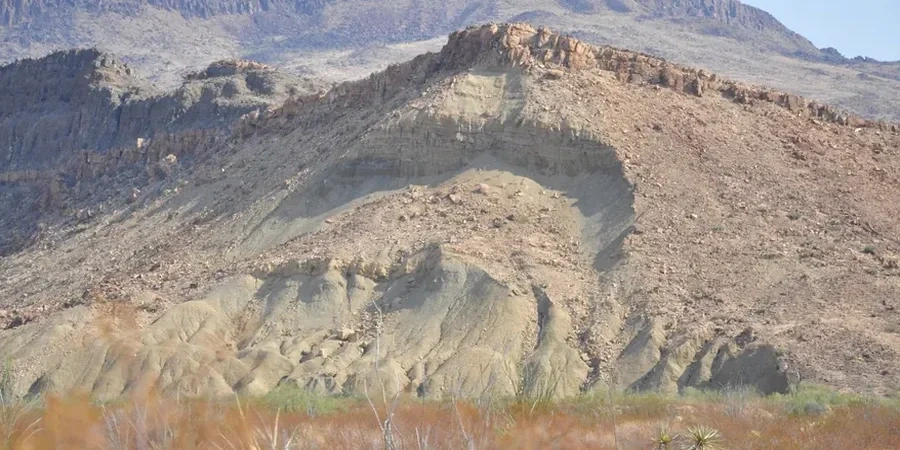
We have seen slopes fail slowly over years, not suddenly — that is why monitoring pore pressure and shear strength is more important than a single safety factor number.
Scope of work
Area-specific notes
Rockhampton expanded rapidly during the 1970s and 80s, with housing estates pushed onto steeper terrain in the Koongal and The Range suburbs. Many of those cuts were made without proper geotechnical input — no drainage, no benching, no compaction control on fills. Today we see those legacy slopes creeping, with tension cracks appearing after wet seasons. The risk is not just collapse but progressive failure that damages retaining walls, stormwater pipes, and even road pavements. A proper slope failure analysis now can identify which of those old cuts need intervention before they become emergency repairs.
Watch how it works
Standards used
AS 4678:2002 — Earth-retaining structures, AS 1726:2017 — Geotechnical site investigations, AS 1289.6.4.2 — Soil strength and consolidation tests, FHWA-NHI-14-007 — Slope stability reference manual
Linked services
Limit-Equilibrium Stability Analysis
Bishop simplified, Janbu, and Morgenstern-Price methods applied to circular and non-circular failure surfaces. We use SLOPE/W and Slide for modeling, with sensitivity runs on groundwater and strength parameters.
Field Instrumentation & Monitoring
Inclinometers, standpipe piezometers, and surface survey marks installed on critical slopes. Monthly or event-based readings track movement trends and pore pressure changes over time.
Remediation Design & Review
Design of drainage blankets, soil nails, rock anchors, or benched cuts based on the failure mechanism. We also review existing designs for compliance with AS 4678 and carry out certified stability reports.
Typical parameters
FAQ
What causes slope failures in Rockhampton's clay soils?
The main driver is seasonal moisture changes in highly plastic clays. When dry, these clays shrink and crack; when wet, they swell and lose effective strength. Pore pressure buildup after heavy rain is the trigger for most failures in the Fitzroy alluvial plain.
How much does a slope failure analysis cost in Rockhampton?
A standard analysis for a single cut slope with field investigation and laboratory testing ranges between AU$1.460 and AU$3.880. The variation depends on slope height, access difficulty, and whether monitoring is required. We carry out a fixed-price quote after a site visit.
What safety factor does AS 4678 require for long-term slope stability?
AS 4678:2002 recommends a minimum factor of safety of 1.5 for long-term drained conditions and 1.2 for short-term undrained conditions. For critical slopes near buildings or roads, we typically target 1.5 or higher.
Can you analyze a slope that has already started moving?
Yes. We perform a back-analysis to determine the mobilized shear strength at failure and then design remedial measures. Inclinometers installed after movement begins can confirm the failure surface depth and rate of creep.