Rockhampton sits on a complex mix of alluvial terraces and residual soils derived from the Stanwell Formation, so excavation monitoring here demands strict adherence to AS 4678-2002 (Earth-retaining structures). Our monitoring programs are designed around the specific ground conditions of the Fitzroy River floodplain, where water table fluctuations can reach 3 m in a single wet season. We combine manual survey readings with automated dataloggers to track wall deflection and pore pressure changes. Before mobilizing, we often run a geotechnical site investigation to define the stratigraphy and establish baseline parameters for the monitoring plan.
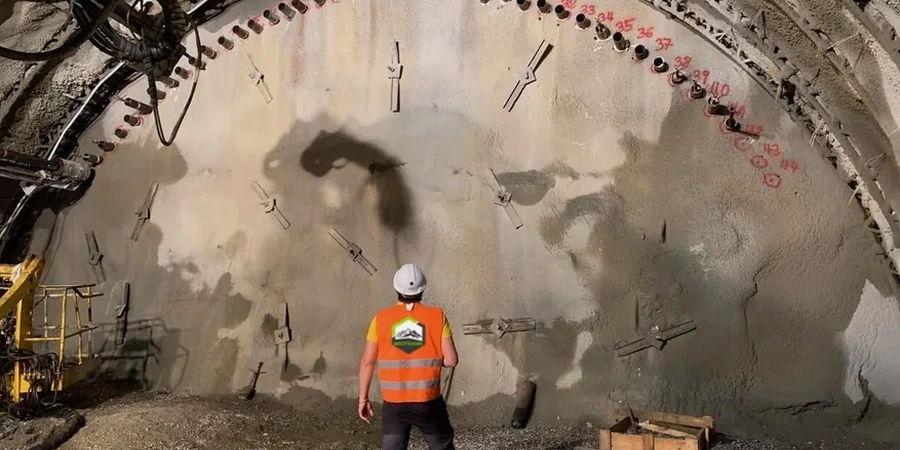
Water table fluctuations in Rockhampton can reach 3 m in a single wet season, making continuous pore pressure monitoring non-negotiable for deep excavations.
Scope of work
- Real-time data transmission via 4G loggers for remote visibility
- Trigger alarms set at 80% of AS 4678 allowable movement
- Integration with inclinometer casing for long-term lateral displacement tracking
Area-specific notes
The Fitzroy River catchment receives over 800 mm of rainfall annually, mostly between December and March, saturating the alluvial sands and silts that underlie much of Rockhampton. During a monsoon trough event in 2019, several excavation sites near the river experienced a 2.5 m rise in the water table within 48 hours, causing temporary instability in unsupported shoring. Without continuous monitoring, these transient pore pressures can go undetected until cracks appear in adjacent pavements. That is why we install at least two vibrating-wire piezometers per excavation panel and log data every 30 minutes during the wet season.
Standards used
AS 4678-2002 (Earth-retaining structures), AS 1726-2017 (Geotechnical site investigations), AS/NZS 1170.0:2002 (Structural design actions), AS 1289 (Inclinometer testing)
Linked services
Inclinometer & Pore Pressure Monitoring
Installation of in-place inclinometer arrays and vibrating-wire piezometers with automated data logging. Suitable for excavations deeper than 4 m in the alluvial zones near the Fitzroy River.
Survey-Based Wall Movement Tracking
Manual and robotic total station surveys of excavation walls and adjacent structures. Delivered with weekly movement reports and trend analysis against AS 4678 limits.
Real-Time Remote Monitoring System
Cloud-based platform with 4G loggers, SMS alerts, and live dashboards. Includes calibration, sensor installation, and 24/7 technical support for the duration of the excavation.
This service complements our laboratory testing work for a complete project analysis.
Typical parameters
Watch how it works
FAQ
How often should excavation monitoring be performed in Rockhampton?
During the active excavation phase, we recommend daily readings for inclinometers and piezometers in the central business district and near the Fitzroy River. Once the structure is backfilled and the shoring is no longer critical, weekly readings for four to six weeks are usually sufficient to confirm long-term stability.
What is the typical cost range for geotechnical excavation monitoring in Rockhampton?
For a standard excavation project in Rockhampton, the cost typically falls between AU$1,380 and AU$4,320. The exact figure depends on the number of sensors, the monitoring duration, and whether you require real-time data transmission or manual surveys. Contact us for a quote tailored to your specific scope.
Which sensors are most important for excavations in alluvial soils?
For Rockhampton's alluvial deposits, vibrating-wire piezometers are critical to track rapid pore pressure changes during wet weather. Inclinometers should also be installed to measure lateral wall deflection, especially when the excavation depth exceeds 3 m and the water table is high. Standpipe piezometers are a backup option but lack the continuous recording capability of vibrating-wire units.