Rockhampton sits on the Fitzroy River floodplain, where alluvial soils and fractured bedrock create highly variable groundwater conditions. With an annual rainfall around 800 mm concentrated in summer, understanding subsurface permeability is critical for excavation dewatering, tailings storage, and foundation design. We perform field permeability tests using the Lefranc method for soils and Lugeon tests for rock, directly measuring hydraulic conductivity in situ. This data helps avoid unexpected water ingress and informs drainage strategies. Before finalizing your design, we often recommend combining this test with a study of soil collapsibility to evaluate settlement risks in saturated zones, or a geotechnical instrumentation plan to monitor pore pressures over time.
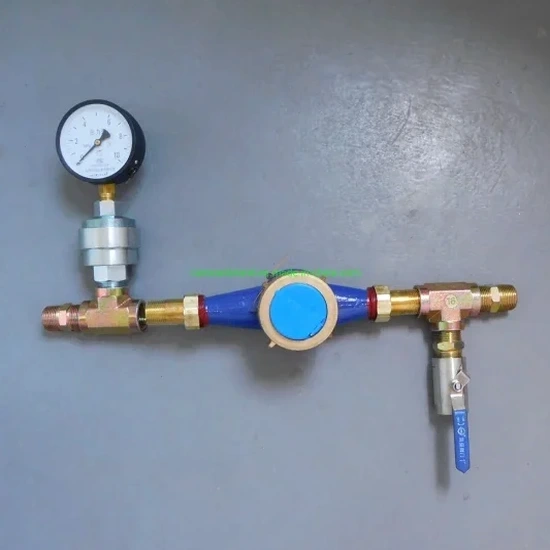
A single Lugeon test in Rockhampton's fractured metasediments can reveal permeability contrasts of three orders of magnitude within a 5-meter interval.
Scope of work
- Test interval depth (m)
- Applied head pressure (kPa)
- Flow rate (L/min)
- Hydraulic conductivity (m/s)
- Fracture aperture estimate (mm) for Lugeon tests
Area-specific notes
Rockhampton's subtropical climate means heavy rainfall events can saturate shallow soils quickly, masking true permeability values if testing is done during wet season. Conversely, dry winter months may give artificially low readings in clay-rich layers. The region's deep weathering profiles — up to 30 m in some areas — also create perched water tables that behave differently than the regional aquifer. A field permeability test conducted without proper borehole development or packer seating can underestimate conductivity by a factor of 10. That's why we always flush the test interval and run step-pressure checks before recording data. For projects near the Fitzroy River, we also assess the risk of soil liquefaction during seismic events, as high permeability zones can amplify pore pressure buildup.
Standards used
AS 1726-2017 Geotechnical site investigations, AS 1289 Standard test method for field measurement of hydraulic conductivity using the Lefranc method, ISRM Suggested method for Lugeon water pressure tests in rock (1977, revised 2007)
Linked services
Lefranc Permeability Test (Soils)
Constant or falling head test in uncased boreholes for alluvial sands, gravels, and clayey silts common in the Fitzroy floodplain. Suitable for foundation drainage design and earth dam seepage analysis.
Lugeon Water Pressure Test (Rock)
Multi-stage packer test in cored boreholes to assess fracture permeability in Rockhampton's metasediments and granites. Essential for tunnel design, rock slope grouting, and quarry dewatering.
This service complements our laboratory testing work for a complete project analysis.
Typical parameters
FAQ
What is the difference between Lefranc and Lugeon permeability tests?
The Lefranc test is used in soils (sands, silts, clays) and measures hydraulic conductivity under constant or falling head in an uncased hole. The Lugeon test is for rock and uses a packer system to isolate a section of borehole, applying pressure increments to determine both permeability and flow regime (laminar vs turbulent). In Rockhampton, we choose based on lithology — Lefranc for alluvial layers, Lugeon for fractured bedrock.
How does the wet season affect field permeability testing in Rockhampton?
Heavy summer rain can raise the water table temporarily, causing measured K values to appear higher than the long-term average. We schedule tests during stable dry conditions or, if unavoidable, we record the water level before and after test and apply correction factors. Our reports always note the date and recent rainfall for context.
How many test points are needed for a typical Rockhampton site?
For a standard commercial lot (0.5–2 ha), we recommend at least 3 to 5 boreholes with permeability tests at key intervals — typically every 3 m in soils and every 2 m in rock. More points are needed if the site spans different geological units or if the project involves deep excavations or groundwater control.
Can field permeability testing be done in existing excavations?
Yes, we often perform tests in open pits, trial trenches, or partially completed excavations. In Rockhampton's urban areas, we've tested in construction dewatering sumps and quarry benches. The setup uses shorter packers and flexible hoses to fit confined spaces, and we coordinate with site access and safety plans.
What is the typical cost range for a field permeability test in Rockhampton?
For a single test interval with mobilization within Rockhampton, expect between AU$1,090 and AU$1,750. This includes equipment setup, on-site testing, data analysis, and a certified report. Costs increase for remote sites, multiple intervals, or if rock coring is needed before Lugeon testing.